Racing history, told one season at a time
How rulebooks, circuits and liveries shaped Formula 1, NASCAR and endurance racing from the 1950s to the 1990s.
Read the archive
The eras, decade by decade
1950s
- The first Formula 1 World Championship race runs at Silverstone.
- The rear-engined Cooper T51 wins the title and front engines start to disappear.
1960s
- Team Lotus races in Gold Leaf colors, and sponsor liveries begin to replace national colors.
- The last traditional Le Mans start, with drivers running across the track to their cars.
1970s
- The Lotus 78 shapes its sidepods as upside-down wings, the start of the ground effect era.
- The Brabham BT46B fan car wins once and is withdrawn after a single race.
1980s
- Formula 1 requires flat car floors, ending the ground effect era.
- Group B rally cars are banned at the end of the season.
1990s
- Richard Petty starts his last NASCAR Cup race, at Atlanta in November.
- Formula 1 bans active suspension and traction control before the season.
Subjects in the archive
Each post sits in one subject. Every account names the season, because the same car could look quite different from one year to the next.
New in the archive
Read the archive- Chaparral 2J: History of the Sucker Car and Fan Technology
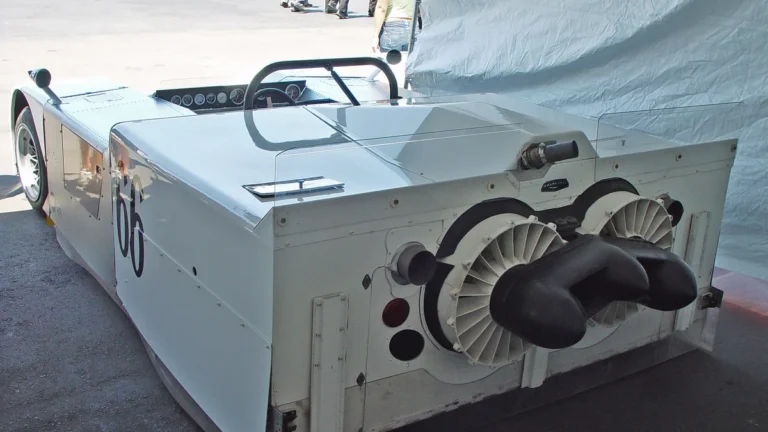 Examine the revolutionary engineering of the Chaparral 2J fan car and compare its vacuum downforce technology to the Brabham BT46B.
- Rosso Corsa: History and Shades of Italian Racing Red
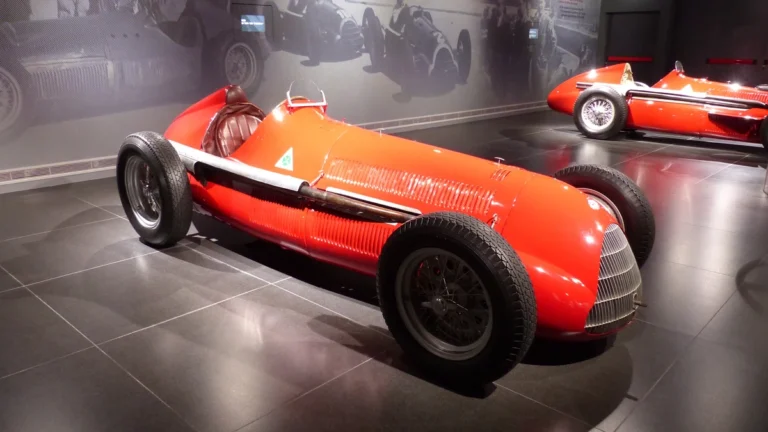 Discover the origins and evolution of rosso corsa, from early national racing color rules to Alfa Romeo, Maserati, and iconic Ferrari red shades.
- Moonshine NASCAR: Myths and Origins of Stock Car Racing
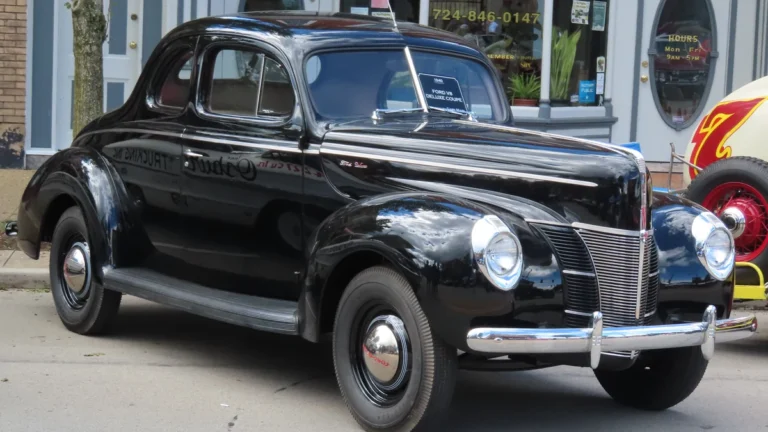 Examine the real moonshine nascar connection, separating romantic bootlegger folklore from documented stock car racing origins in the South.
- Group B Rally: History, Iconic Cars, and the 1986 Ban
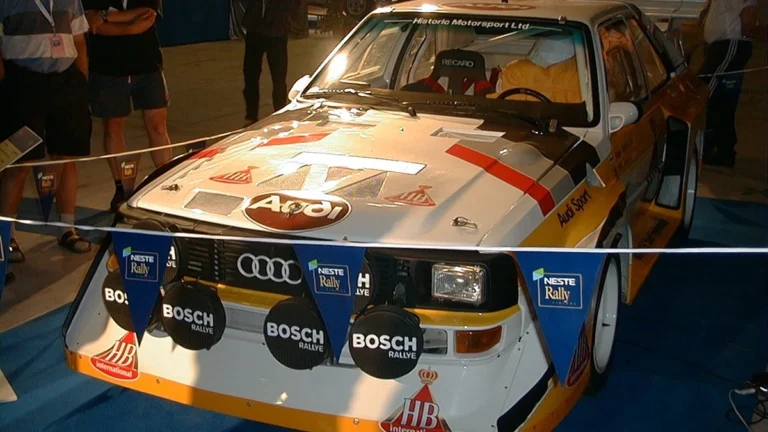 Trace the complete history of group b rally racing, from four-wheel drive engineering breakthroughs to peak turbo horsepower and the 1986 ban.
Every post on JohnHellard is signed Walt Brennan, a pen name shared by the site’s writers. Seasons, results and specifications are checked against series archives and period sources, and where historians disagree, both versions are noted. Drafts are prepared with AI assistance, and no post goes live until each date, result and figure in it has been traced back to a source.